Dust to Dust, 2018
Dust to Dust — aside from biblical texts and funeral ceremonies suggesting the cyclicity of life and death — the phrase carries ecological significance today: it refers to the entire environmental impact of a manufactured item, from the extraction of raw materials from the earth to their disposal as landfill.
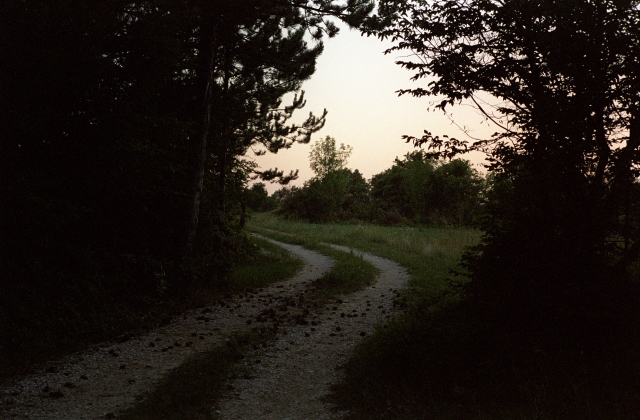
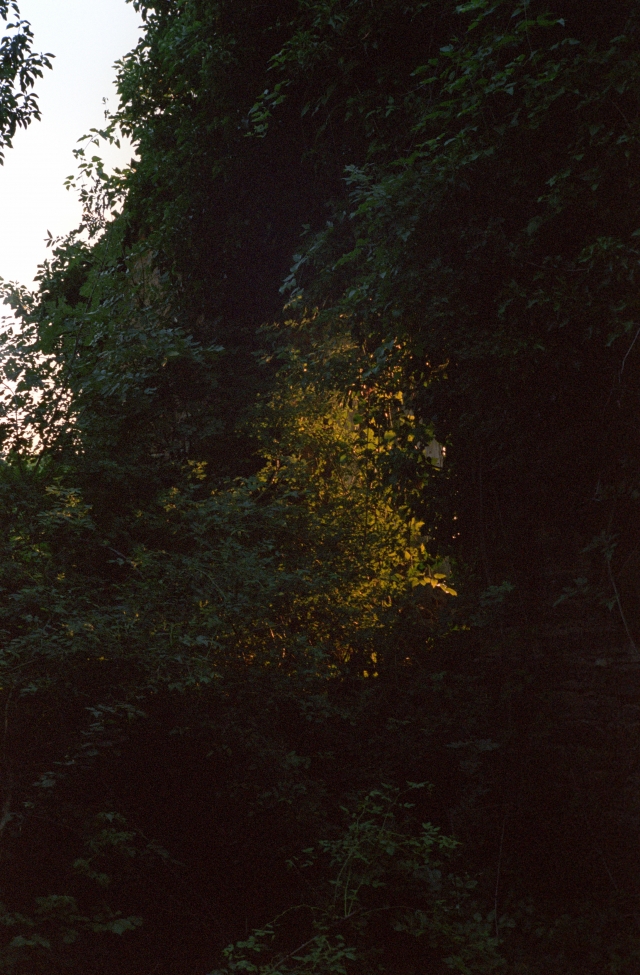
The series Dust to Dust was created in the wilderness surrounding Kuberton, a disappearing village in the region of Istria, Croatia. I was invited for a residency by Krinzinger Projekte and Muzej – Museo Lapidarium Novigrad – Cittanova. I am native to the region, but I had never before had the opportunity to spend time isolated in its wilderness.
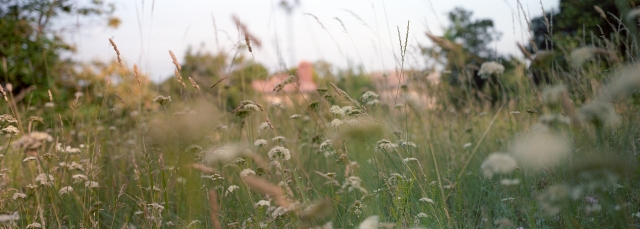
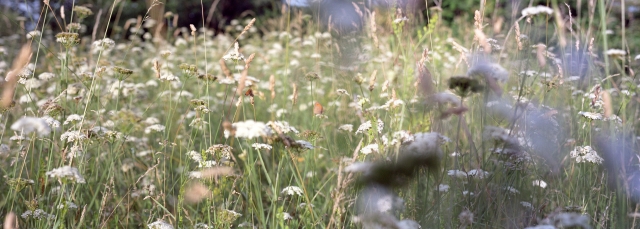
It was June; nature was pulsating with life, the air filled with the scents of grasses and wildflowers, and constant insect sounds. I spent the month observing nature in perfect balance, where even the tiniest animal, once dead, was consumed by life.
It made me reflect on our role on the planet. Everything here exists in service of life, even in the moment of death.
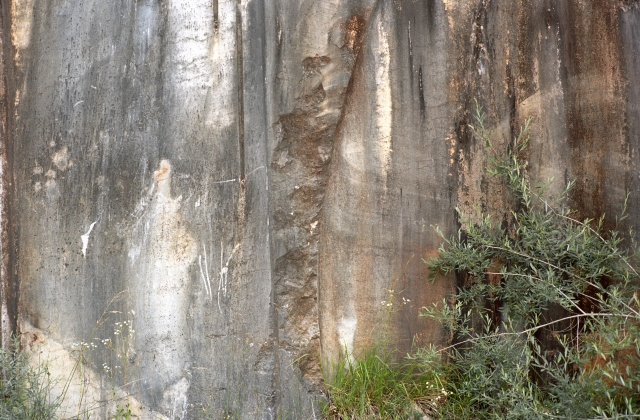
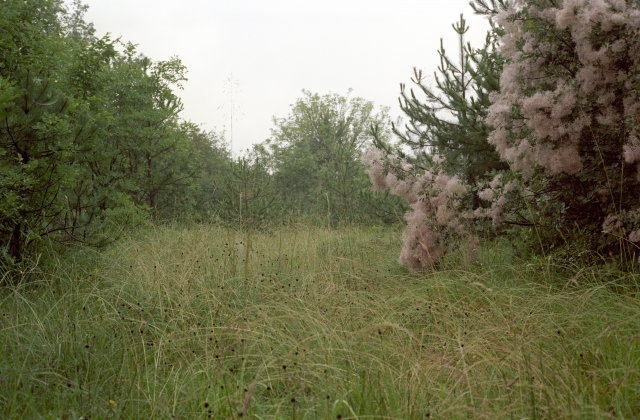
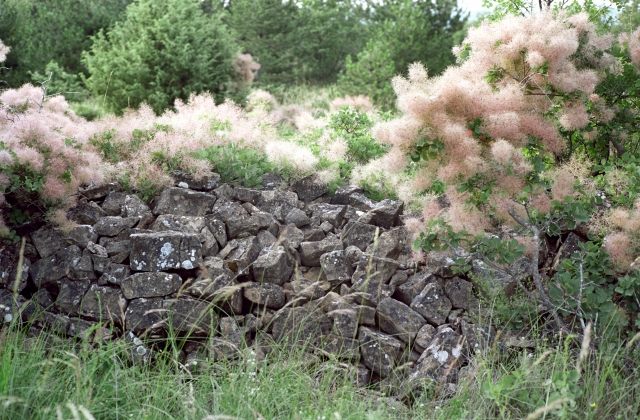
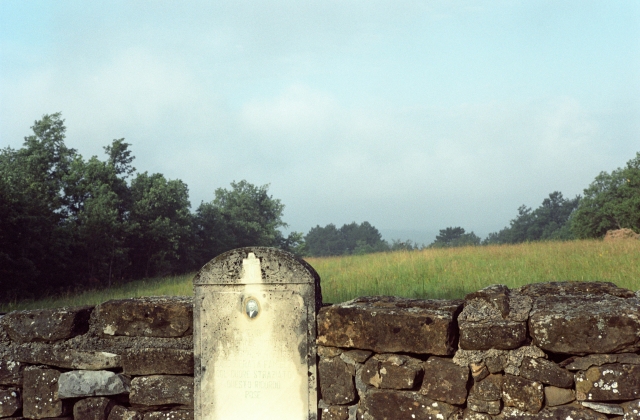
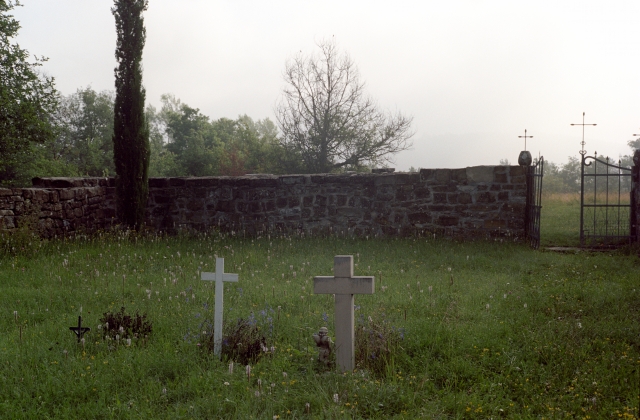
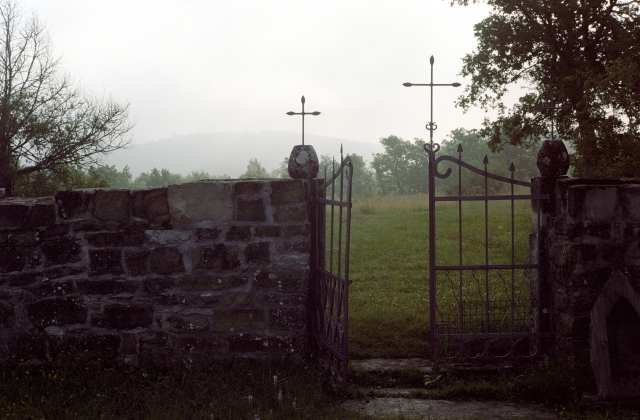
The small cemetery in Kuberton still preserves the direct relationship between human and land. Around the simple crosses marking burial places, grass and wildflowers grow. A tombstone bearing a black-and-white portrait of the deceased is integrated into the dry stone wall separating the cemetery from a field. Dry stone walls are built by removing stones from the land in order to create cultivable fields. One can sense the gentleness of the manual labor. The integration of the tombstone into the wall was probably unintentional. On the other side of the small field, wild trees demarcate the line between cultivated land and wilderness. Everything here feels in the right scale and measure.
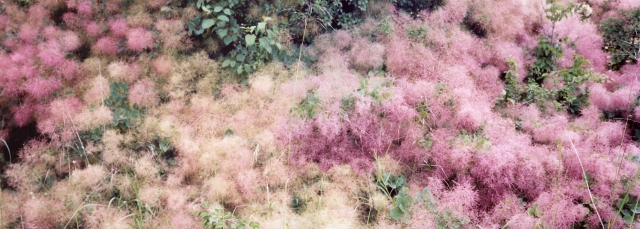
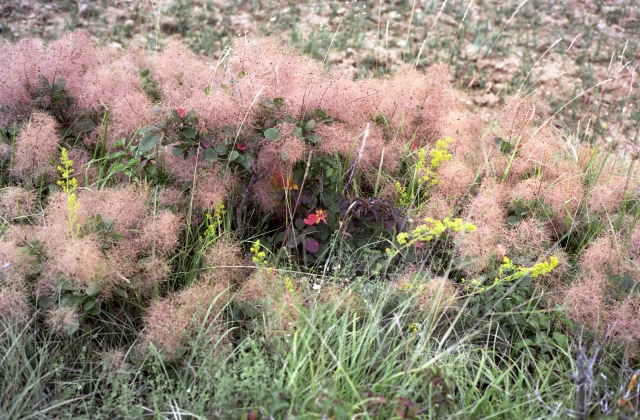
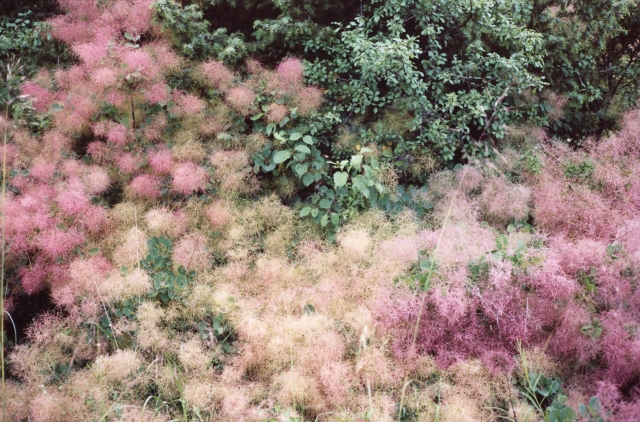
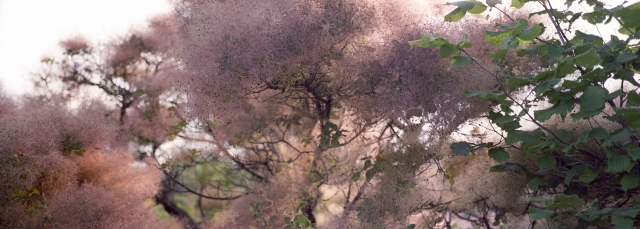
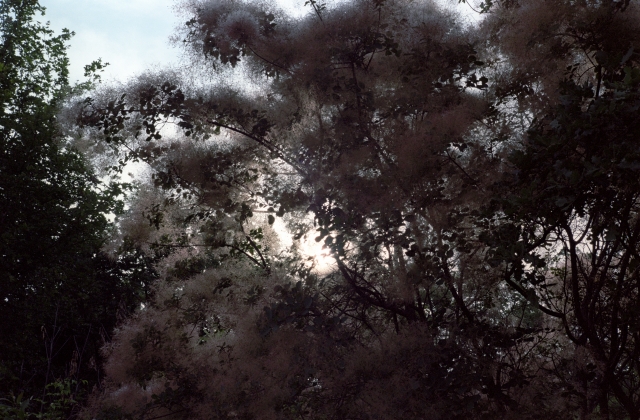
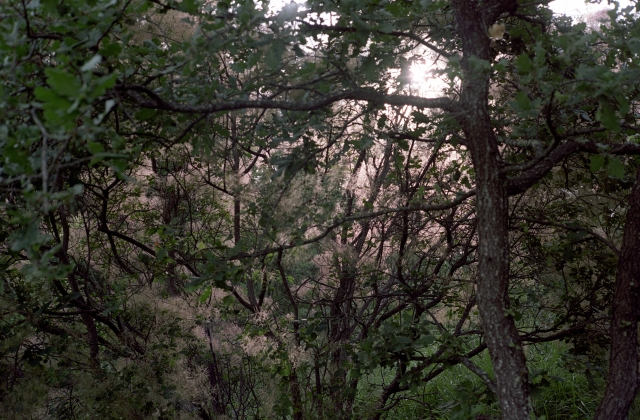
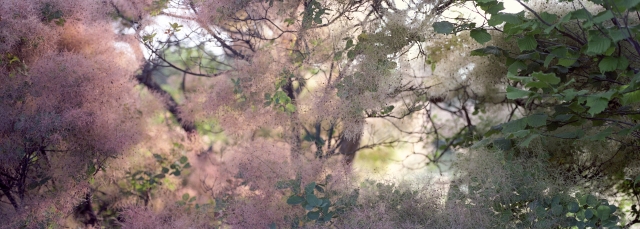
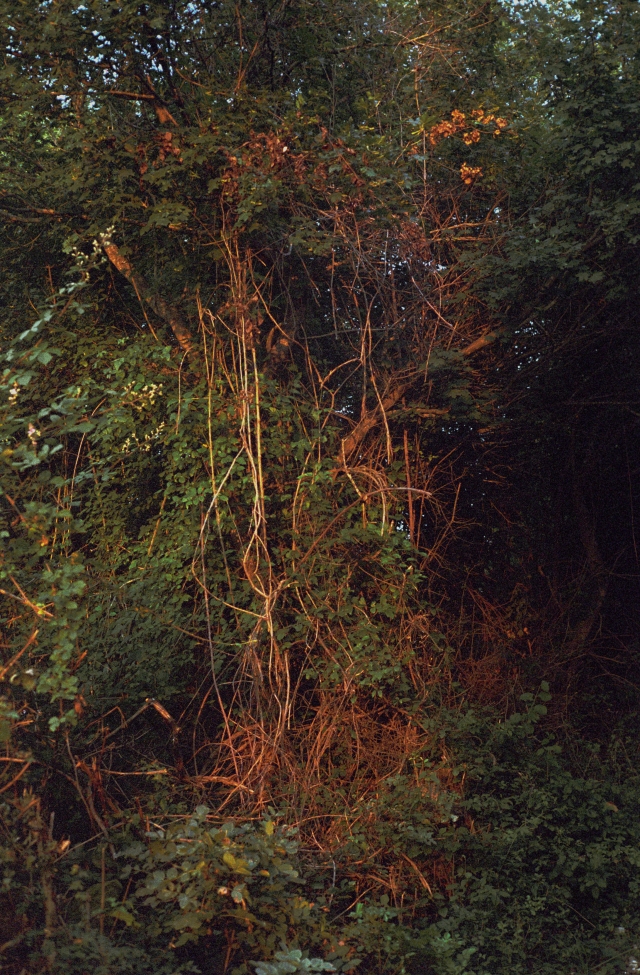
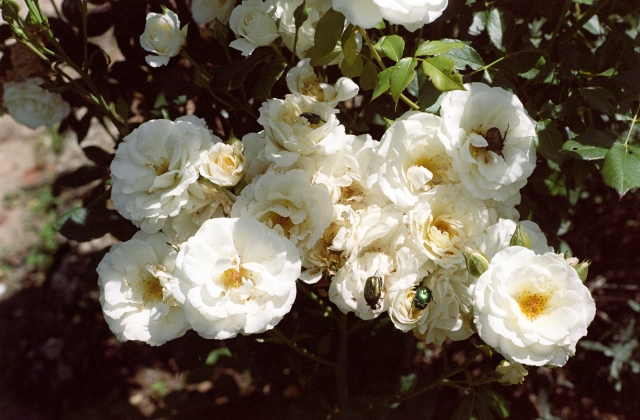
The Cotinus coggygria plant — commonly known as the smoke tree — was in full bloom during my residency. Photographs of its pink and yellow, smoke-like clusters of flowers appear throughout the series. Smoke, in various traditions, symbolizes the lifting of the spirit, the connection between earth and sky — and therefore the unity of the universe — the breathing of a being: Earth. The photographs are immersive, composed like all-over paintings; you are there, in nature, among “clouds of pink smoke,” without context, focus, or direction — only a sense of presence.
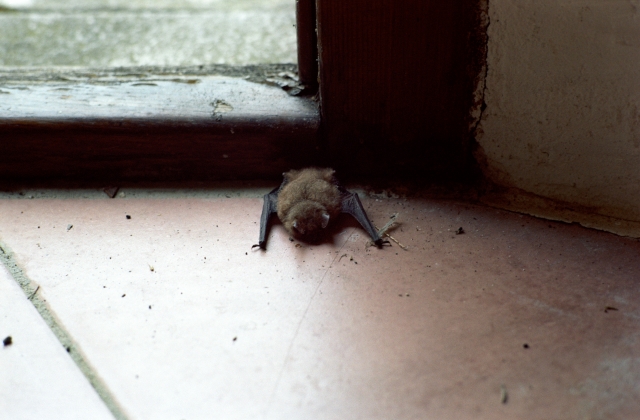
In Dust to Dust, beauty and death coexist. Photographs of human traces—especially the dead bat on a tiled floor (Death by Human Neglect)—remind us that we, too, must be in service of life and participate with awareness.